


Process for Wheel Repair:
- Initial Inspection:
The wheel is thoroughly inspected to assess the extent of damage, such as bends, cracks, curb rash, scratches, or corrosion. This helps us determine the appropriate repair method and whether the wheel is safe for repair.
- Wheel Removal and Cleaning:
The wheel is removed from the vehicle and cleaned to eliminate dirt, grease, brake dust, and any contaminants. A clean surface ensures a more effective repair process.
- Stripping Old Paint/Coating:
The existing paint or finish is stripped using a chemical or mechanical process to expose the bare metal. This step provides a fresh surface for repairs and refinishing.
- Damage Repair
Any structural damage, such as bends or cracks, is addressed. We use specialized equipment to straighten bent wheels and welding techniques to repair cracks, restoring the wheel's structural integrity.
- Curb Rash and Scratch Repair:
Curb rash, scratches, and other surface imperfections are sanded down, filled, or smoothed out to create a flawless surface. This step ensures that the repaired wheel looks as good as new.
- Sanding and Smoothing:
The wheel is sanded to ensure an even, smooth surface. This step is crucial for preparing the wheel for refinishing and helps the new coating adhere properly.
- Priming:
A primer is applied to the wheel to protect against corrosion and provide a strong base for the paint or powder coating. The primer also helps ensure a smooth, even finish.
- Painting or Powder Coating:
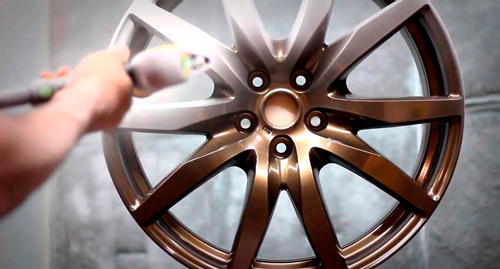
The wheel is painted or powder-coated in the desired color. This process involves applying multiple layers for durability and an attractive finish. The color can be matched to the original or customized according to your preference.
- Clear Coating:
A clear coat is applied to seal and protect the paint, providing a glossy, satin, or matte finish. The clear coat adds an extra layer of protection against road debris, brake dust, and weather elements.
- Curing, Final Inspection, and Reinstallation:
The wheel is placed in a curing oven to harden the finish (if powder-coated) or allowed to air dry. After curing, the wheel undergoes a final inspection to ensure quality and safety. Once approved, it is balanced and reinstalled on the vehicle.
This 10-step process ensures that your wheels are professionally repaired, restored, and protected, leaving them looking great and ready for the road.